

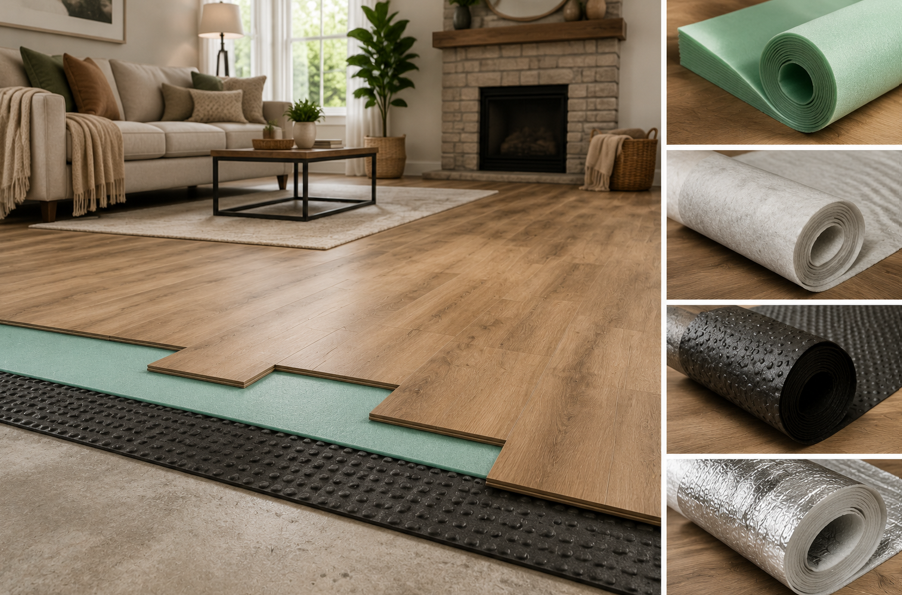
A Great Vinyl Floor Starts Below the Surface
When homeowners shop for new vinyl flooring, most attention naturally goes toward color, style, plank size, and durability. But one of the most important parts of a successful flooring installation is something many people never actually see once the project is finished: the underlayment.
Underlayment plays a major role in how vinyl flooring feels, sounds, performs, and lasts over time. The right underlayment can improve comfort underfoot, reduce noise, protect against moisture, and help flooring maintain its appearance for years.
In Lima, OH homes, underlayment choices become especially important because seasonal temperature swings, humidity changes, and subfloor conditions can all affect flooring performance.
Many homeowners are surprised to learn that not every vinyl flooring installation even requires separate underlayment. Some luxury vinyl products include attached padding, while others perform better with additional support beneath the planks.
Understanding how underlayment works helps homeowners make smarter installation decisions and avoid costly flooring problems later.
At Simplified Flooring, homeowners throughout Lima and surrounding Northwest Ohio communities receive guidance on selecting flooring systems that combine beautiful design with long-term durability and comfort.
What Is Vinyl Flooring Underlayment?
Underlayment is a thin layer of material installed between the subfloor and the vinyl flooring itself.
Its purpose is to create a smoother, more supportive foundation for the finished floor.
Depending on the product selected, underlayment may help:
Reduce sound transmission
Improve comfort underfoot
Add insulation
Protect against moisture
Smooth out minor subfloor imperfections
Improve overall flooring stability
Different vinyl flooring products require different installation approaches. Some flooring includes attached padding already built into the planks, while other products may need a separate underlayment layer.
Choosing the wrong underlayment — or adding one when it isn’t recommended — can create installation problems or even void manufacturer warranties.
Why Underlayment Matters for Vinyl Flooring Installations
Underlayment does far more than simply add cushioning.
Improved Comfort Underfoot
Vinyl flooring already feels softer than many hard-surface options, but quality underlayment can further improve comfort.
This becomes especially noticeable in:
Kitchens
Laundry rooms
Basements
Open-concept living spaces
Homes where people spend long periods standing
A slightly softer feel underfoot can make daily activities noticeably more comfortable.
Noise Reduction Throughout the Home
One of the biggest reasons homeowners choose underlayment is sound control.
Without proper support beneath the flooring, footsteps and furniture movement may sound louder, especially in busy households.
Quality underlayment helps reduce:
Footstep noise
Echoing
Hollow sounds
Sound transfer between rooms
This is particularly valuable in multi-level homes or open-concept layouts.
Moisture Protection
Moisture remains one of the biggest concerns in flooring installations.
In Lima-area homes, moisture concerns may affect:
Basements
Concrete slabs
Older homes
Areas near exterior doors
Kitchens and bathrooms
Some underlayments include built-in moisture barriers that help protect flooring from minor subfloor moisture issues.
Improved Flooring Longevity
A stable foundation helps vinyl flooring maintain its appearance and structure over time.
Proper underlayment support can help reduce:
Premature wear
Shifting planks
Minor movement issues
Stress on locking systems
That added stability often contributes to better long-term flooring performance.
Not Every Vinyl Floor Needs Separate Underlayment
One of the most common misconceptions homeowners have is assuming every vinyl flooring installation requires added underlayment.
In reality, many modern luxury vinyl products already include attached padding.
Attached Underlayment Products
Some vinyl planks come with pre-attached backing materials designed to provide:
Cushioning
Sound absorption
Minor insulation
Installation convenience
These products simplify installation while still delivering comfort and performance benefits.
Adding another layer beneath attached-pad products may sometimes create too much movement, which can stress the locking system.
Floating Vinyl Floors
Many floating luxury vinyl floors work best with specific underlayment recommendations provided by the manufacturer.
Following installation guidelines matters because improper underlayment choices can:
Affect stability
Cause separation issues
Create excessive flexing
Impact warranty coverage
Glue-Down Vinyl Installations
Glue-down vinyl flooring often requires a very smooth and stable subfloor rather than soft underlayment.
In these installations, the adhesive system itself becomes a major part of the flooring’s stability.
Because installation methods vary significantly, professional guidance becomes especially important.
The Most Common Types of Vinyl Flooring Underlayment
Different underlayment materials offer different performance benefits.
Foam Underlayment
Foam remains one of the most common underlayment choices for vinyl flooring.
Benefits include:
Lightweight construction
Sound absorption
Added comfort
Easy installation
Budget-friendly pricing
Foam underlayment works particularly well in residential living spaces where moderate cushioning is desired.
Cork Underlayment
Cork underlayment offers a more premium feel and excellent sound reduction.
Many homeowners appreciate cork because it provides:
Natural insulation
Strong sound control
Comfortable cushioning
Eco-friendly appeal
Cork performs especially well in upper-level rooms and open-concept spaces.
Rubber Underlayment
Rubber underlayment delivers excellent durability and noise control.
It’s commonly used in:
Multi-family housing
High-traffic areas
Busy households
Commercial environments
Rubber products often provide stronger sound performance than basic foam materials.
Combination Moisture-Barrier Underlayment
Some underlayments include integrated moisture barriers designed for concrete subfloors or moisture-prone areas.
These systems help protect flooring while simplifying installation.
This type of underlayment often works well in:
Basements
Slab foundations
Lower-level living spaces
Utility rooms
Why Subfloor Preparation Matters Before Installing Underlayment
Even the best underlayment cannot compensate for a poorly prepared subfloor.
Subfloor condition plays a major role in how vinyl flooring performs long-term.
Uneven Subfloors Can Cause Problems
Vinyl flooring requires a relatively smooth surface beneath it.
Excessive dips, bumps, or imperfections may eventually lead to:
Plank movement
Visible unevenness
Joint stress
Premature wear
Minor imperfections may be manageable, but larger issues typically require correction before installation.
Cleanliness Matters
Subfloors should remain:
Dry
Clean
Free of debris
Structurally stable
Dust, moisture, or leftover adhesive materials can interfere with installation quality.
Moisture Testing Is Often Important
Concrete subfloors especially benefit from moisture testing before vinyl installation.
Even when moisture isn’t visibly obvious, hidden vapor issues can affect flooring performance later.
Professional installers often evaluate:
Moisture levels
Surface flatness
Structural integrity
Existing flooring conditions
before recommending the proper installation system.
How Underlayment Impacts Vinyl Flooring Sound
Noise reduction has become increasingly important for modern homeowners.
Large open spaces, hard surfaces, and multi-level floor plans often amplify sound more than older carpeted homes.
Reducing Hollow Floor Sounds
One common complaint with poorly installed vinyl flooring is a hollow or echo-like sound when walking across the floor.
Proper underlayment helps absorb impact and reduce this effect.
Multi-Level Homes Benefit Greatly
Homes with second-story living areas often benefit significantly from enhanced sound control.
Quality underlayment can reduce:
Footstep transfer
Furniture movement noise
General household sound travel
This creates a quieter and more comfortable living environment overall.
Open-Concept Homes Need Better Sound Management
Open layouts continue growing in popularity throughout Lima-area homes.
Because these spaces contain fewer walls and barriers, sound tends to travel more easily.
Underlayment helps soften acoustics while improving comfort underfoot.
Moisture Protection Is Especially Important in Ohio Homes
Northwest Ohio weather conditions create unique flooring considerations throughout the year.
Seasonal Humidity Changes
Humidity levels can fluctuate significantly between seasons.
Proper installation systems help flooring handle these environmental changes more effectively.
Basements Often Require Extra Protection
Basements remain one of the most common locations for vinyl flooring because of its water-resistant performance.
However, moisture beneath the surface still matters.
Moisture-barrier underlayment may help provide added protection in lower-level installations.
Entryways and Kitchens Experience More Moisture Exposure
Daily foot traffic near exterior doors often brings in:
Rainwater
Snow melt
Mud
Seasonal moisture
Protective underlayment systems can help reduce long-term flooring stress in these high-exposure areas.
Common Underlayment Mistakes Homeowners Should Avoid
Even quality flooring products can struggle when the wrong installation approach is used.
Choosing Underlayment That’s Too Thick
Thicker isn’t always better.
Excessively soft underlayment may create too much flex beneath vinyl planks, potentially stressing locking systems.
Ignoring Manufacturer Recommendations
Each flooring product may have specific installation requirements.
Failing to follow manufacturer recommendations could:
Affect warranty protection
Reduce flooring stability
Create movement issues
Shorten floor lifespan
Installing Over Poor Subfloors
Underlayment does not replace proper subfloor preparation.
Large imperfections should always be corrected before installation begins.
Assuming Waterproof Flooring Means Waterproof Subfloors
Even though many vinyl products offer strong water resistance, moisture beneath the floor can still create problems.
Proper moisture evaluation remains important.
Vinyl Flooring and Underlayment Work Best Together
Vinyl flooring systems perform best when all installation components work together properly.
That includes:
Flooring product selection
Underlayment choice
Subfloor preparation
Moisture management
Professional installation techniques
When homeowners explore modern vinyl flooring, understanding the complete flooring system helps ensure better long-term satisfaction.
The goal isn’t simply achieving a beautiful appearance on installation day. It’s creating a floor that remains comfortable, durable, and stable for years.
Why Professional Installation Guidance Matters
Every home presents unique installation conditions.
Factors such as:
Subfloor type
Moisture exposure
Existing flooring
Household activity levels
Room location
all influence which underlayment approach performs best.
Professional guidance helps homeowners avoid costly installation mistakes while selecting flooring systems that fit both lifestyle and budget.
Experienced flooring professionals can also identify hidden issues before installation begins, reducing the likelihood of future problems.
Build a More Comfortable and Durable Flooring System
Underlayment may remain hidden beneath the surface, but it plays a major role in how vinyl flooring feels and performs every day.
The right underlayment can improve comfort, reduce noise, support moisture protection, and help flooring maintain its appearance over time.
Whether you’re upgrading a kitchen, basement, living room, or entire home, understanding the relationship between vinyl flooring and underlayment helps create a smarter and more durable investment.
With the proper installation system in place, homeowners throughout Lima can enjoy beautiful flooring that supports both style and everyday functionality.
If you’re planning a vinyl flooring project and want expert guidance on selecting the right materials and installation approach, now is the perfect time to we are here to help.


